
Activity
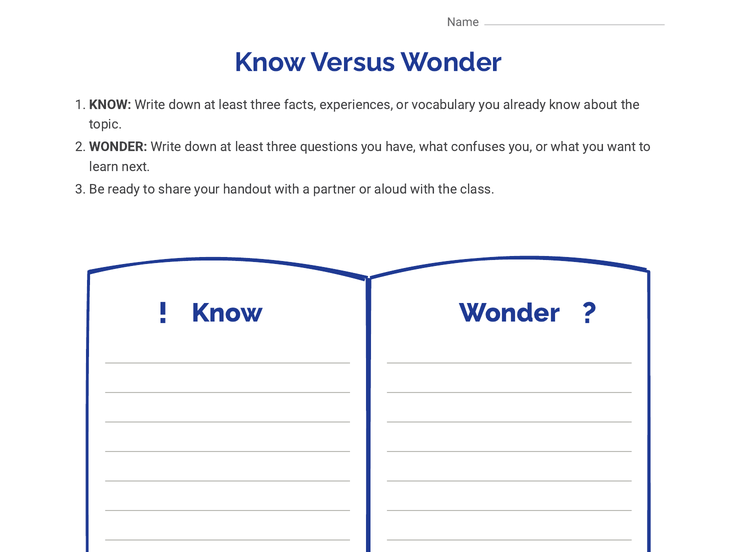
Know Versus Wonder
A fast brainstorm to check prior knowledge and spark curiosity on a new topic.
Love that Makes Learning Matter
Ways to ask every student to think, collaborate, create, and apply, with the support to get there.
Twenty short activities that ask students to think, discuss, sketch, and argue about whatever you are teaching. Each comes with a teacher guide and a one-page student handout, and most take 10 to 30 minutes.
Activities designed to challenge assumptions and promote analytical reasoning.
A fast brainstorm to check prior knowledge and spark curiosity on a new topic.
Activates prior knowledge, generates ideas and curiosity, and sets the stage for deeper inquiry.
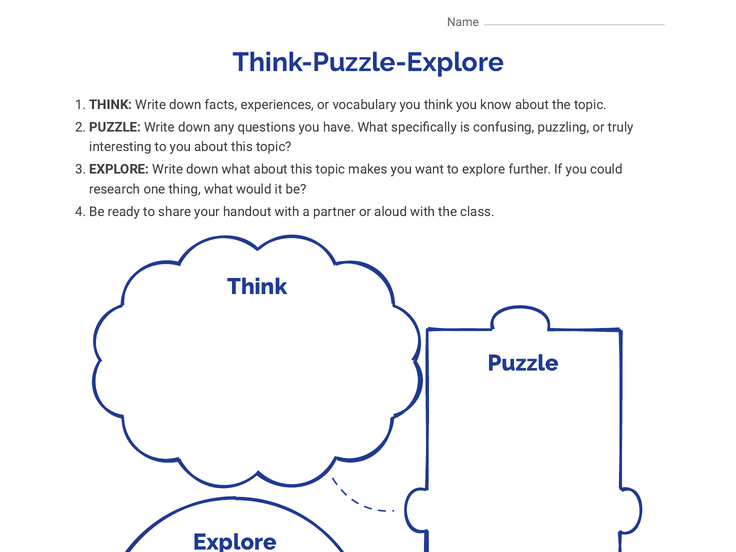
Encourages comprehensive evaluation of an idea or proposition by considering various viewpoints (Excited, Worrisome, Need to Know, Stance/Suggestion).
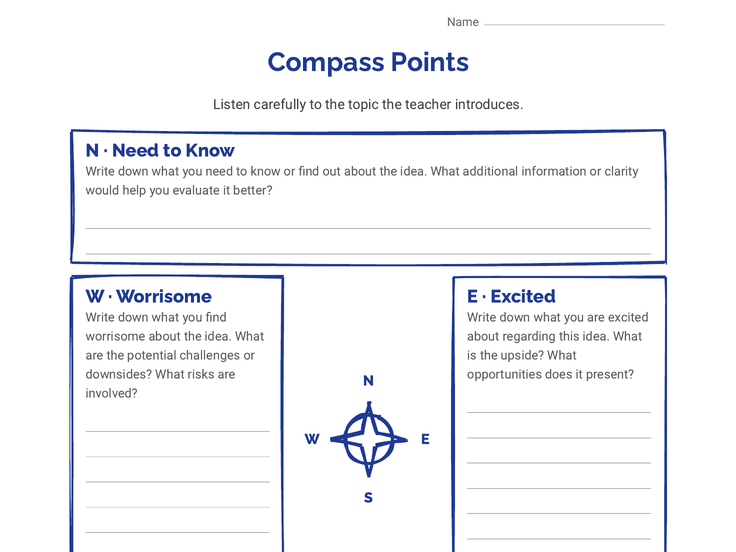
Encourages students to deeply analyze a piece of information (a text, video, image, or idea) by focusing on its core argument, the evidence provided, and the remaining uncertainties.
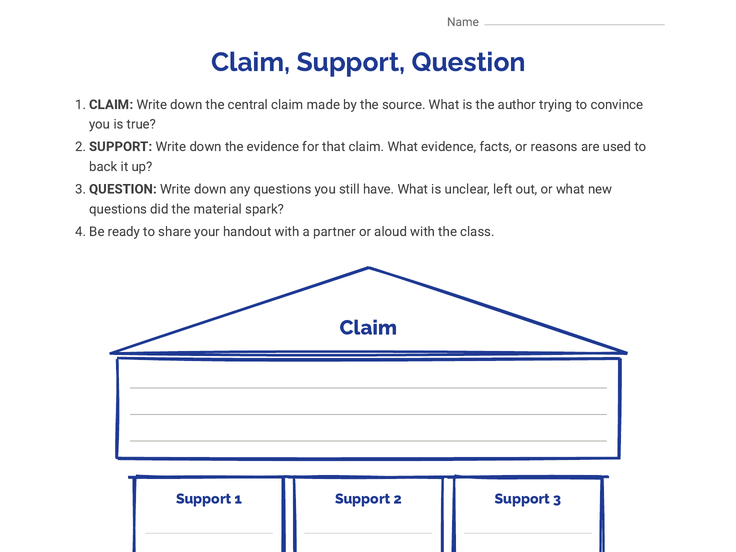
Activities designed to ensure students internalize, synthesize, and summarize content effectively.
A fast, visual way to boost comprehension and solidify the main idea after engaging with new content.
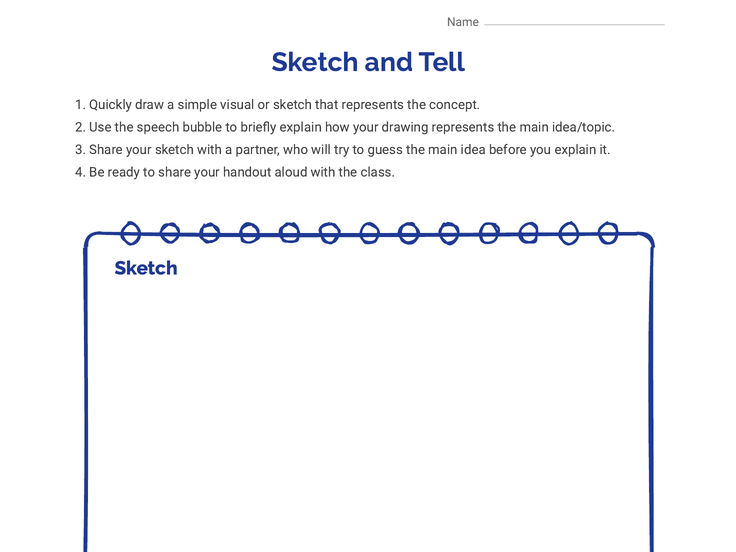
Helps students analyze evidence and justify their interpretations of an image, object, or statement.
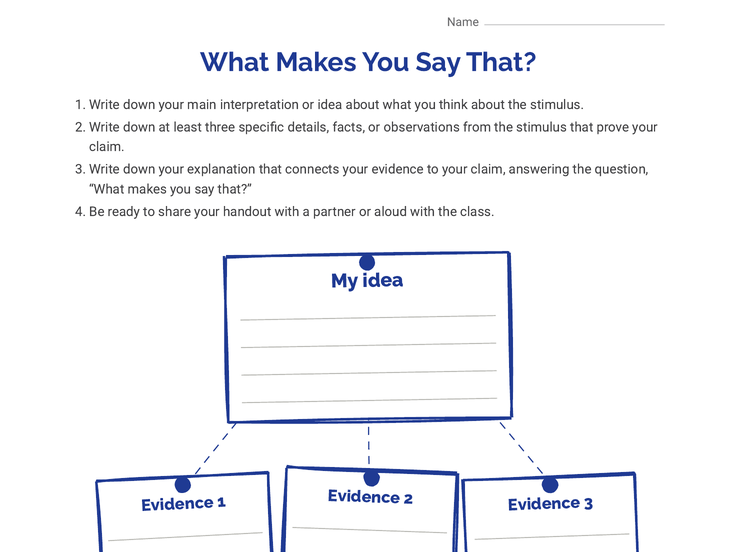
A fast, kinesthetic reflection to help students process, prioritize, and summarize key takeaways at the end of a lesson or unit.
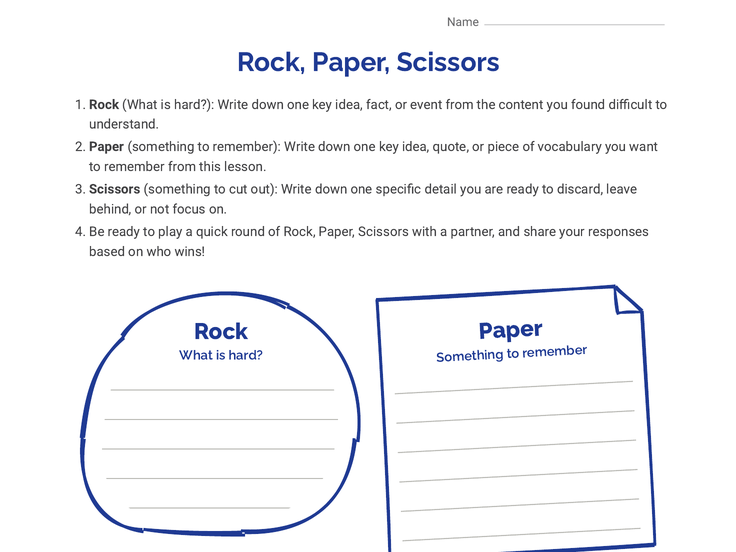
A structured reflection and closure to help students synthesize learning and identify remaining questions.
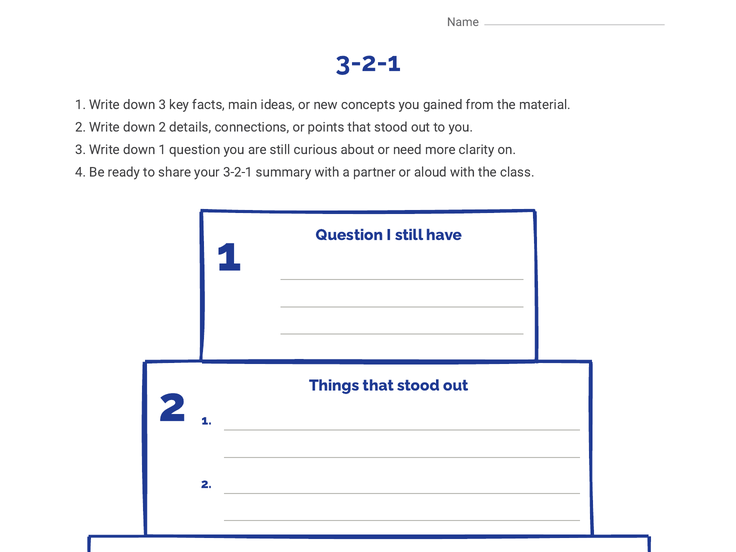
Activities designed to organize equitable and high-level verbal discourse among students.
Helps students analyze evidence and justify their claims about a statement, image, or concept.
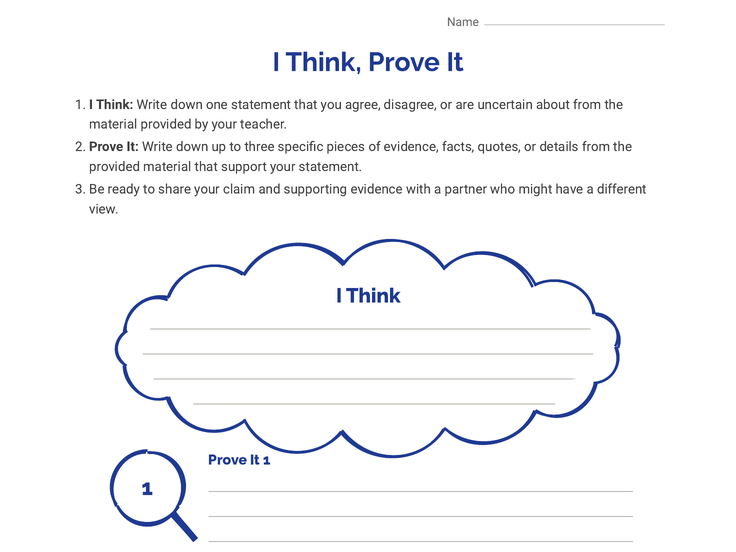
Helps students explore different perspectives on an issue, object, or event, fostering empathy and critical analysis.
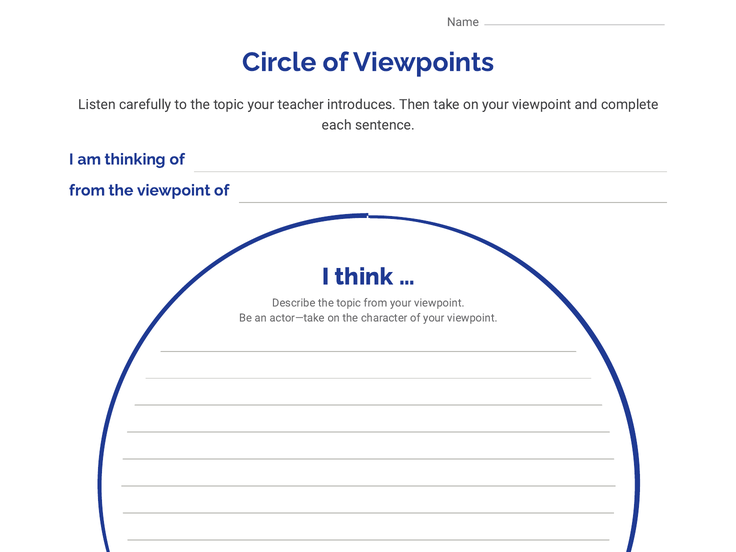
Encourages thoughtful reflection and focused summary after engaging with new material.
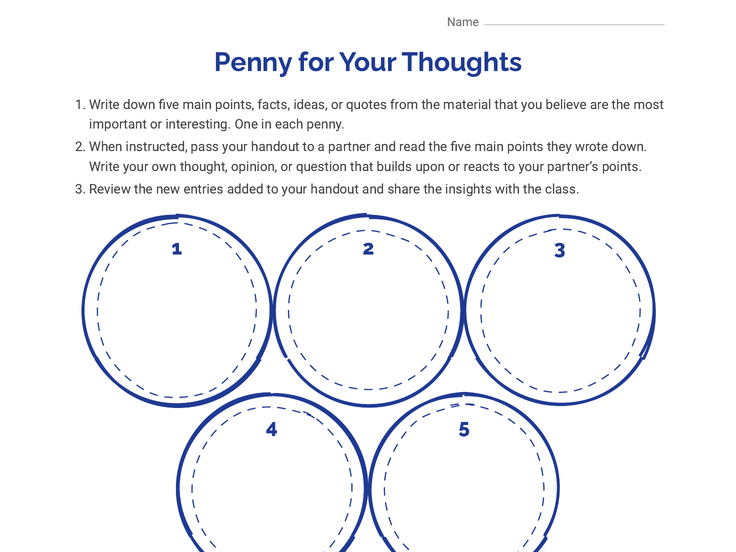
A fast, structured reflection that connects students by exploring both the logical and emotional responses to a prompt.
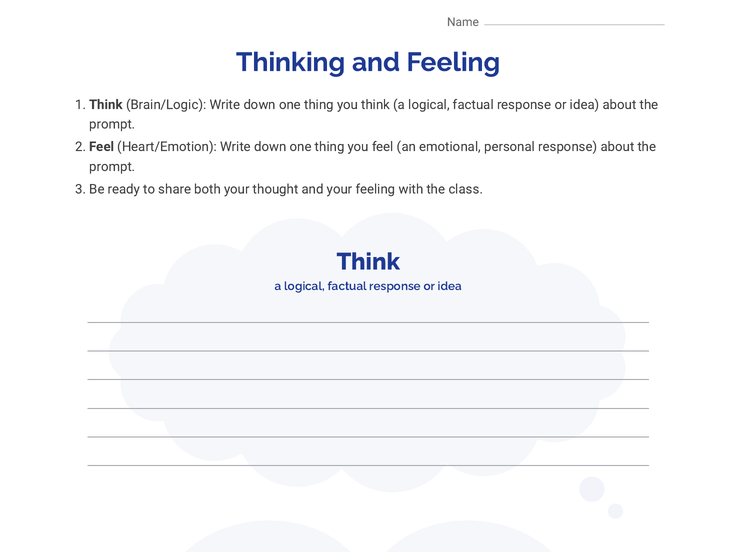
Activities designed to quickly assess student knowledge and identify misconceptions in real-time.
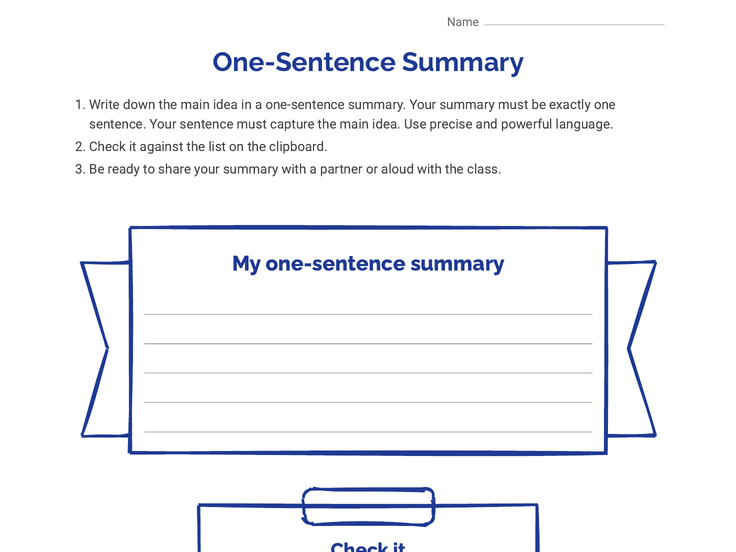
A focused comprehension check: students summarize the core idea of a lesson, text, or unit in a single, concise sentence.
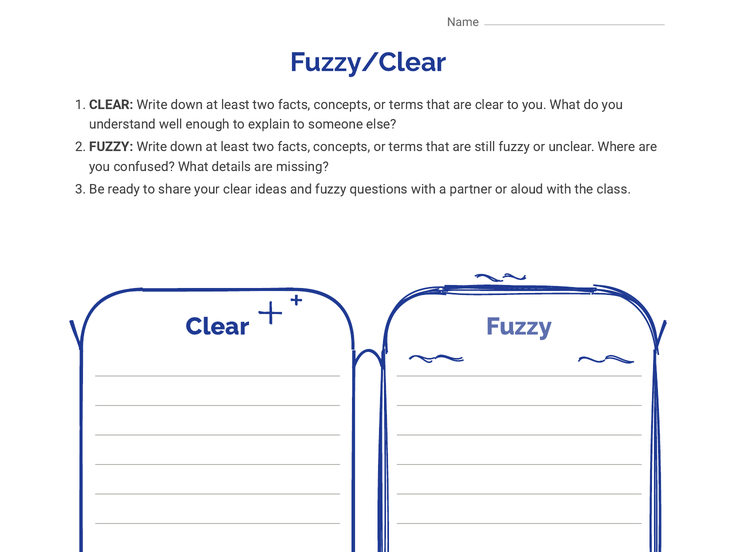
A focused comprehension check of which concepts students understand well (“Clear”) and which still require additional review (“Fuzzy”).
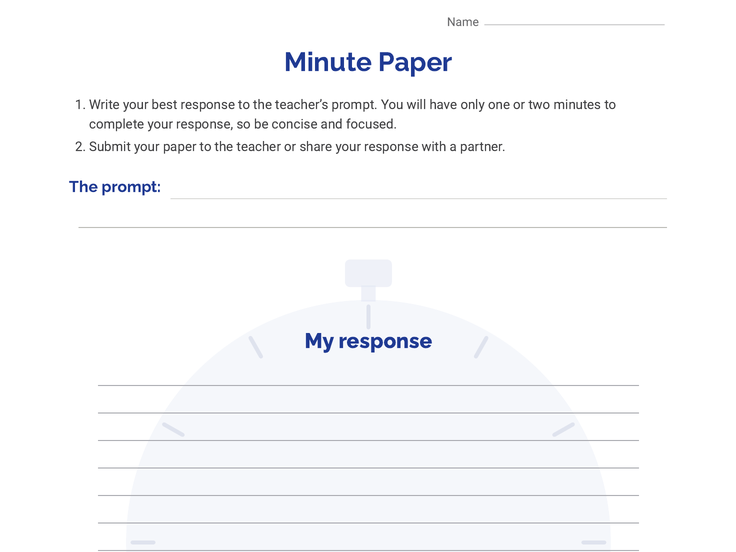
A quick, solo reflection (typically 2 minutes) on a lesson or discussion topic that gathers concise feedback from students.
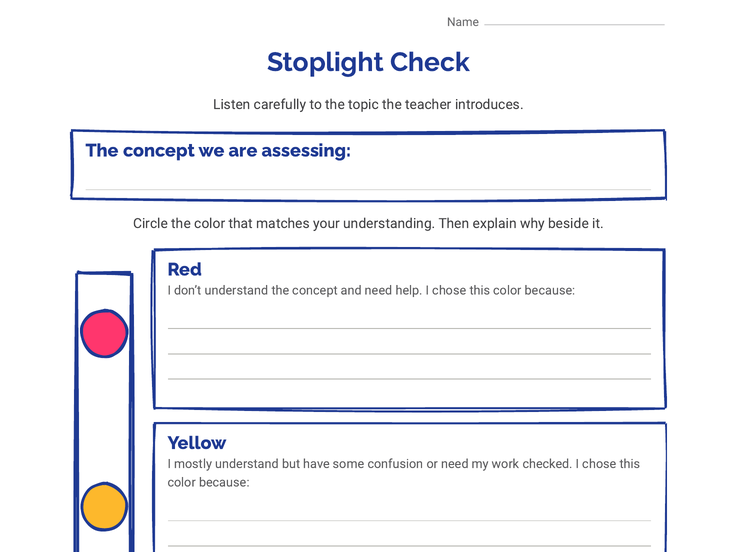
A focused comprehension check to quickly gauge student understanding of a concept and identify who needs immediate support.
Activities designed to structure student research, analysis, and evidence-gathering skills.
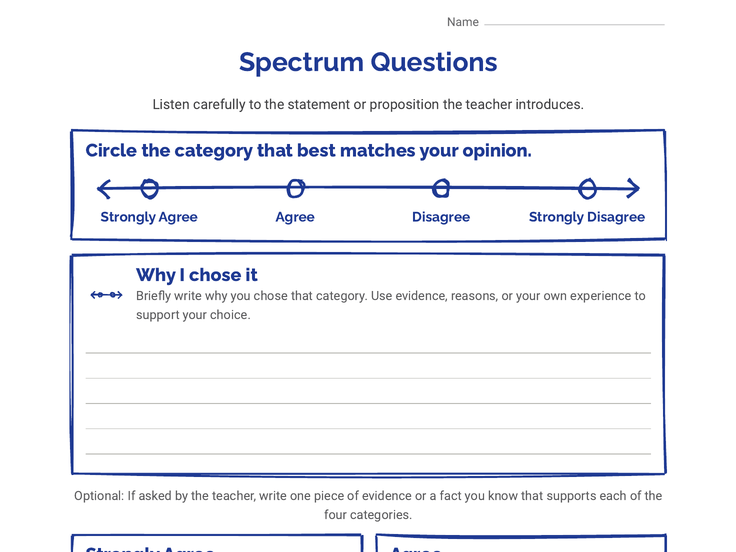
Gauges student opinions on a statement by asking them to place themselves along a defined spectrum and justify their response.
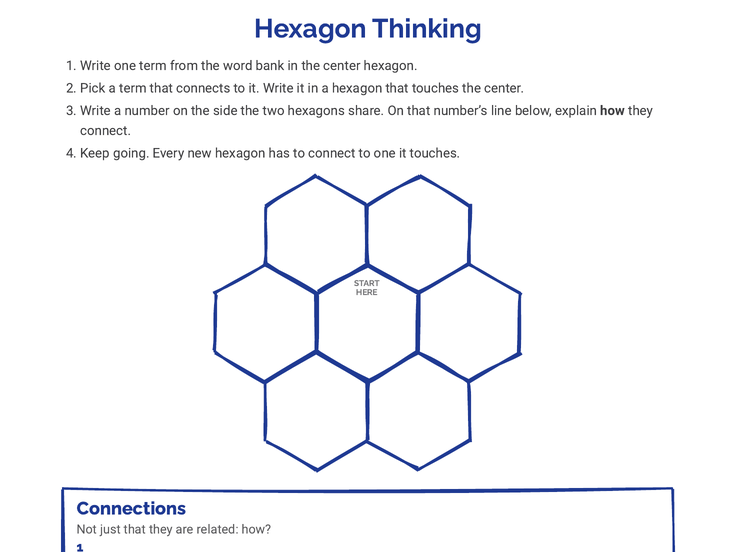
Builds deep conceptual understanding by asking students to link key ideas one at a time, explaining each connection, until they have a map of how the ideas fit together.
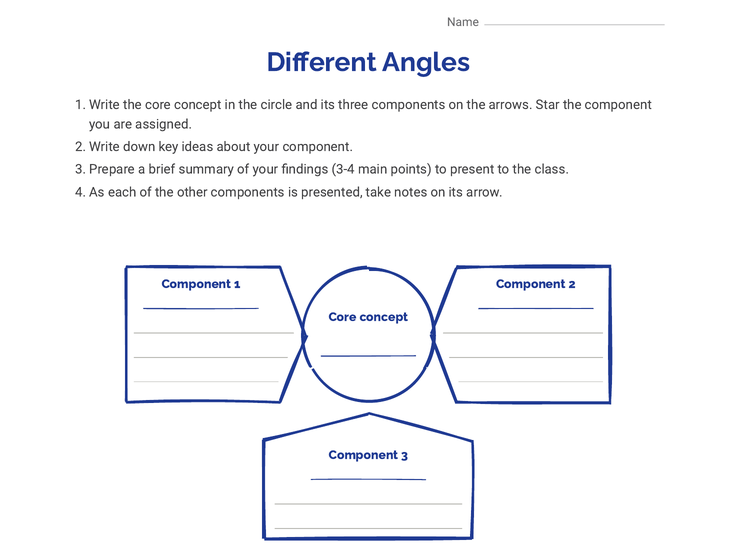
Promotes deep, collaborative exploration of a complex concept by breaking it down into distinct components.
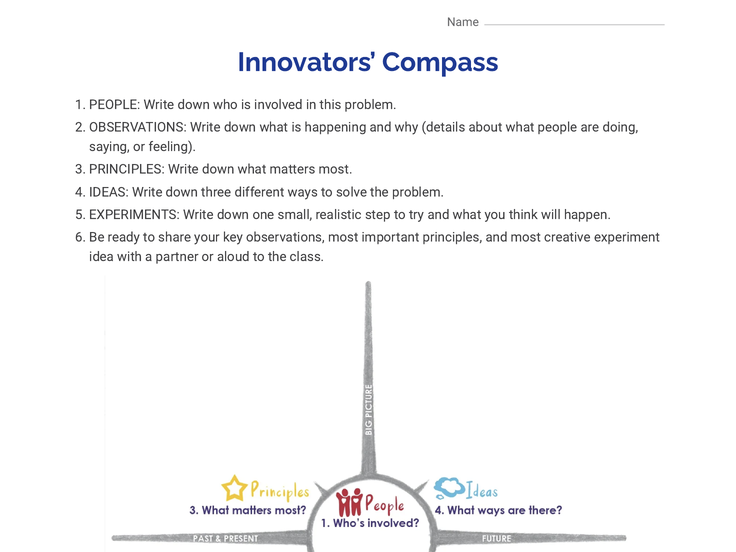
A focused design-thinking routine to break down complex challenges, define core values, and generate actionable ideas and experiments.
We ask who you are once. After that every download on this site is one click.
Productive Struggle helps students keep working when a problem gets hard: a desk card for them and a hint ladder for you. Marks and a Margin Note gives them a way into a hard text, on a poster for your wall. Each card opens the routine’s steps.
A desk card of moves for each kind of stuck, with asking for help as one of them. Two to a sheet, plus a math version.
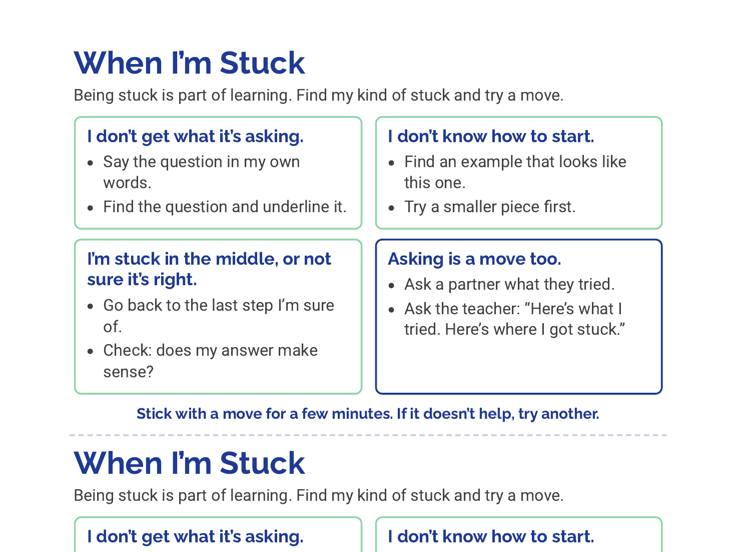
Productive struggle is the time a student spends working on something they can’t do yet, and keeps working. The task is hard enough to need real thinking and close enough that effort can get them there. The teacher’s job is to keep the struggle productive: not stepping in too soon, and not leaving a student stuck so long that they give up.
Four rungs of help, from a question to a step back, so a hint never turns into the answer.
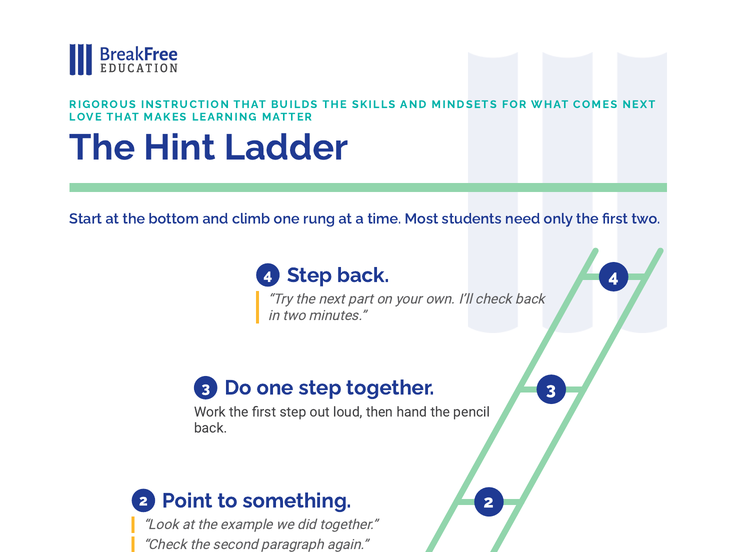
Productive struggle is the time a student spends working on something they can’t do yet, and keeps working. The task is hard enough to need real thinking and close enough that effort can get them there. The teacher’s job is to keep the struggle productive: not stepping in too soon, and not leaving a student stuck so long that they give up.
The routine on one poster for the wall, plus a second poster for math word problems.
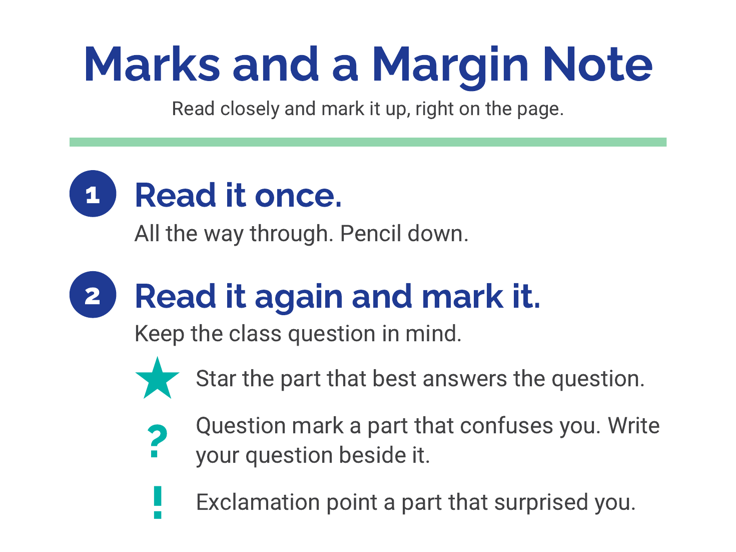
A reading routine for any text, image, data table, or word problem. Students read it twice with your question in mind, mark what answers it, what confuses them, and what surprises them, and write one note. Then a partner answers their question in the margin.
BreakFree’s initiatives are hands-on projects, ready to teach. The guide beside them helps you design a project of your own.
Every BreakFree initiative is a hands-on project that ends in something students make, from a superhero to a working machine to a poem. Most bring all four subjects together: teach just your subject, or team up across classrooms.
Teaching through a theme means every lesson in a unit comes back to one big idea.
Moves that take no preparation and hand more of the thinking in your class to students. Try one this week.
A few shifts and questions worth sitting with on your own, whether or not you use anything else on this page.
Instead of
“My students can’t handle grade-level work.”
Try
“My students can do hard work with the right support. What support do they need?”
Instead of
“If I let them struggle, I’ll lose them.”
Try
“If I help with a question instead of an answer, they stay in the work.”
Instead of
“We don’t have time for projects. We have to cover the content.”
Try
“A project is where the content gets used.”
Instead of
“If everyone is quiet and working, they’re learning.”
Try
“Quiet can mean compliance. What are they actually thinking?”
What’s one thing a student did recently that showed you they could handle more than you expected?