
Practice
Letters Out, Love In
Have students write notes of encouragement or gratitude to a specific community group (senior living residents, first responders, day care children, military members). Collect and send as a class.
Love that Transcends Barriers
Ways for students to share their voices and build connections beyond the classroom.
Two projects with everything you need to plan them, from the first invitation to the thank-you note. Both work at any size, for one class or a whole facility.
Students share their work, talents, and voices with an audience from beyond the classroom.
Students record themselves reading a children’s book, then send the book and recording to someone they care about.
Each one fits inside an ordinary week and puts students in touch with someone beyond the classroom, whether that is a letter going out or one guest coming in.
Have students write notes of encouragement or gratitude to a specific community group (senior living residents, first responders, day care children, military members). Collect and send as a class.
Ask a community member (coach, librarian, secure care staff member, local athlete or artist) to observe a class presentation or review student work, in person, by video, or on their own time. Even one outside audience member shows students their voice matters.
Create a small space (bulletin board or chart paper) for students to post thank-yous to community supporters, from inside and outside of the facility, they notice (secure care staff, cafeteria staff, mentors).
At the end of a week, ask students: “What’s one way someone outside our classroom supported you this week?” Collect responses aloud or on sticky notes.
Six projects educators in juvenile justice schools have already run, and how to make each one your own.
Why it matters
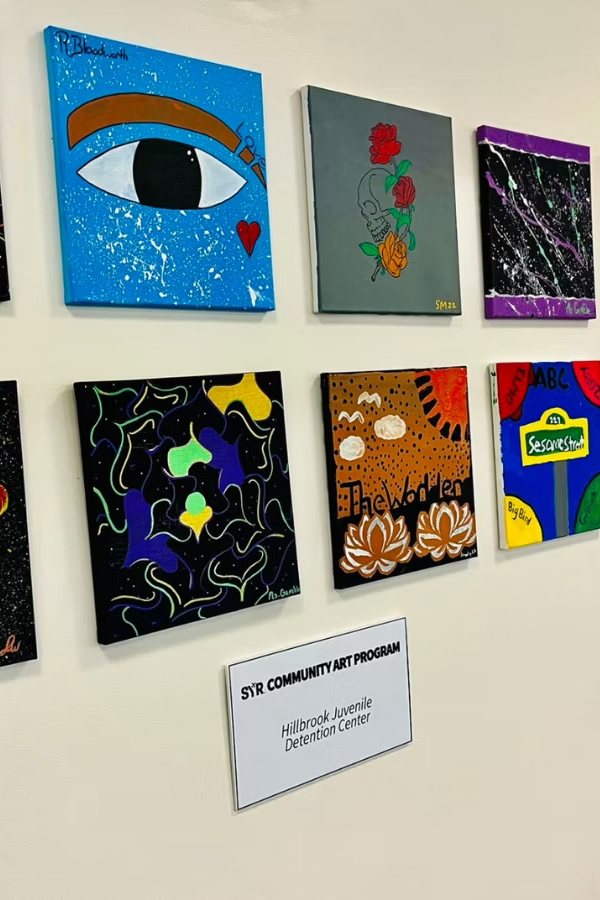
This project gives students a direct way to share their creativity with the community, demonstrating how art can have a powerful, positive impact on a community.
How you can replicate it
Contact a local children's hospital, regional airport, library, and other community spaces to learn about their guidelines for artwork. Students can design and create paintings, drawings, or digital art. Organize a virtual art show to celebrate the students’ work before it is delivered to the community space.
Resources
Access an email template for outreach to these community spaces.
Shoutout to art teacher Doug Smith for making this happen.
Why it matters
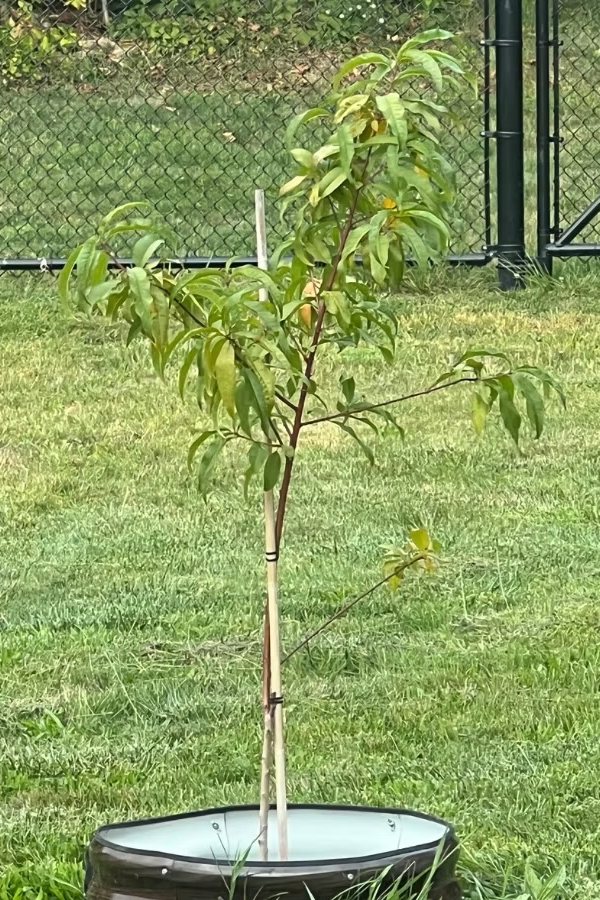
This project teaches students about environmental stewardship and provides a tangible way for them to improve their local ecosystem, demonstrating how a small action can have a lasting, positive impact on the environment.
How you can replicate it
Partner with a local conservation group or your state's forestry department. Students can research native tree species, learn proper planting techniques, and take ownership of a local green space.
Resources
Access environmental education resources created for juvenile justice educators by Take Action Global in collaboration with BreakFree Education. Sign up to access the resources.
Shoutout to principal Bich Do in Oregon and Agency Leader Woody Clift and teacher Cynthia Carvill in Massachusetts for making this happen.
Why it matters
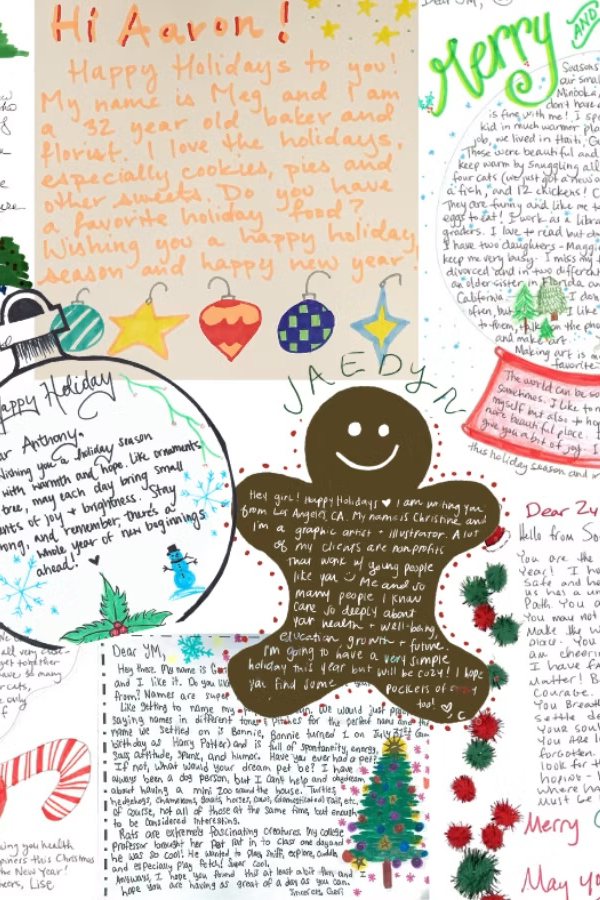
This project helps students practice empathy and gratitude, providing a meaningful way to connect with and bring a little joy to people who may be feeling lonely or forgotten, especially during the holidays.
How you can replicate it
Join BreakFree Education’s Holiday Letter Writing campaign, partner with local nursing homes, veteran's organizations, or military family support groups to write letters, design cards, or create small artistic gifts. Ensure you follow any privacy and security guidelines set by the partner organization.
Resources
Sign up to join and learn more about BreakFree Education’s Care Mail Holiday Letter writing campaign.
Why it matters
This project teaches students to provide comfort and warmth to vulnerable community members, helping them develop empathy and a sense of responsibility toward those experiencing hardship.
How you can replicate it
Partner with a local shelter to identify their specific needs. Students can finger-knit or make no-sew fleece blankets. Share the finished products on social media or in a school newsletter to highlight the students' contributions and raise awareness. Donate the finished products to a local organization in need.
Resources
Access resources for learning how to finger knit and make a blanket and create no-sew blankets.
Shoutout to teacher librarian Jessie Storrs for making this happen.
Why it matters
This project connects students to the professional world and teaches them valuable, real-world skills in design, marketing, and communication, helping local organizations, many of which lack resources for professional marketing, to reach a broader audience.
How you can replicate it
Reach out to local museums, historical societies, or community groups. Have students interview staff members to understand their needs, then design materials that meet those goals. Students can design items such as a website, pamphlet, or social media campaign for a local nonprofit group or museum.
Resources
Access an email template on page two for outreach to these community spaces.
Shoutout to teacher Ruth Edge for making this happen.
Why it matters
This project connects students to nature and the food system, teaching them about horticulture and sustainability, fostering a sense of shared responsibility and providing fresh produce for the community.
How you can replicate it
Partner with a local nursery or a community organization that has gardening space. Students can learn about different plants and growing seasons, manage the garden, and harvest the produce. Consider donating the harvest to a local food bank.
Resources
Learn more about community gardens, access a how-to guide for starting a school/community garden, and access these easy steps for getting started.
Shoutout to principals Dona Parks in Texas and Phyllis Lewis in New Jersey for making this happen in their spaces.
A few shifts and questions worth sitting with on your own, whether or not you use anything else on this page.
Instead of
“Bringing in the community will take too much time/effort”
Try
“Even small gestures—like sending a letter or inviting one person—can make a big impact.”
Instead of
“My students aren’t ready for an outside audience”
Try
“Giving them an authentic audience can motivate and honor their growth.”
Instead of
“Community connections require big events”
Try
“Community can mean the people already around us—staff, families, neighbors, or local supporters.”
What simple connection could I make this month that would help students know they are part of something bigger?